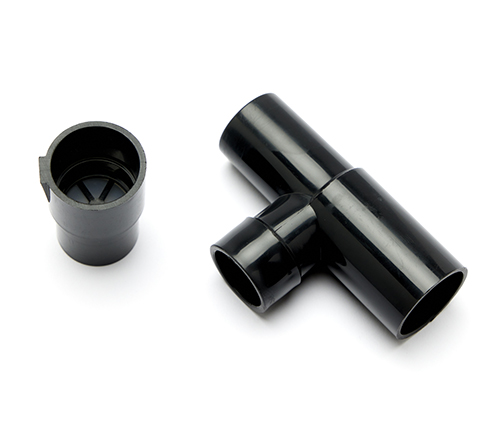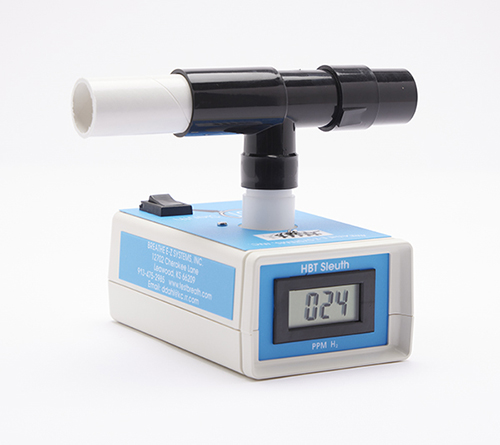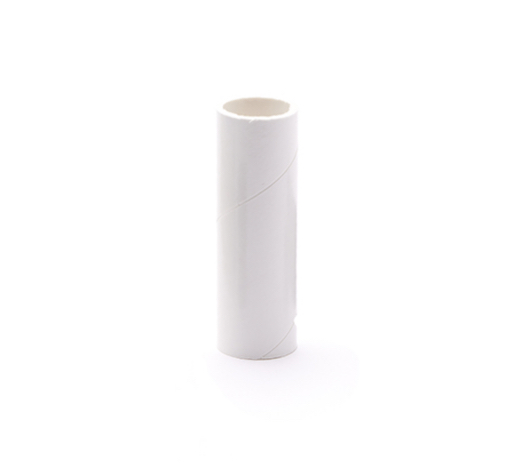

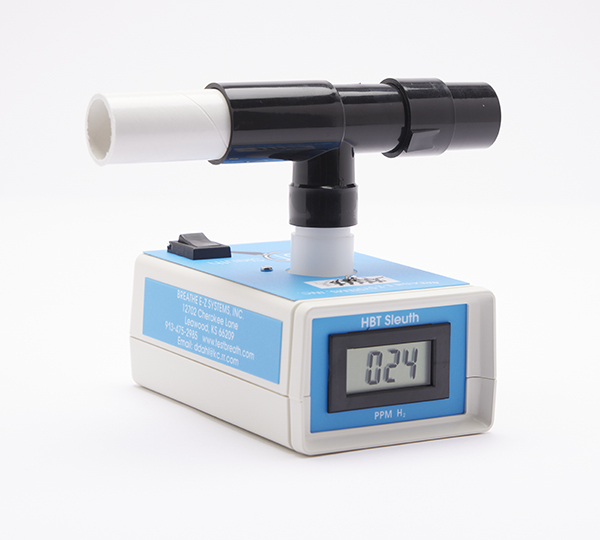
HBT Sleuth
HBT Sleuth
The
HBT Sleuth hydrogen breath test is a precision instrument for
detecting lactose intolerance, bacterial overgrowth, glucose
intolerance, and fructose intolerance. This monitor does
hydrogen testing, which is among the gases produced in the
intestinal lumen by the bacteriological breakdown of carbohydrates
in the intestine. After diffusion into the bloodstream, the H2
is expired in the exhaled breath through the alveoli. This
measure of H2 in exhaled breath is used to detect abnormal breakdown
or malabsorption of carbohydrates in the intestine.
Lactose Intolerance Breath Test
The
HBT Sleuth hydrogen monitor is used to perform a lactose intolerance
breath test. Lactose intolerance is the inability to digest
lactose, the sugar found in milk. It causes cramping,
bloating, gas or diarrhea any time dairy products are consumed.
Lactose intolerance occurs due to the body’s lack of lactase, an
enzyme normally produced by the small intestine. The lactose
intolerance breath test is a quick way to discover if a patient has
lactose intolerance. Studies indicate that as many as 70% of
patients that have lactose intolerance do not relate their symptoms
to lactose ingestion. They may even mislead their physicians by
denying a connection of their symptoms to their diet. The HBT
Sleuth lactose intolerance breath test is done in the doctor’s
office and only requires five minutes of the patient’s time.
This hydrogen breath test is easy to use, non invasive and gives the
physician immediate results of the lactose intolerance breath test.
Lactose intolerance is often recognized for the first time in older
patients. They may have endured gas and other symptoms for
years without connecting the symptoms to their diet.
|
|

The
CPT Code for Hydrogen Breath Testing is: 91065
Specifications
 |
 |
|
Gas
Measured |
Hydrogen |
|
Range
Measured |
0-500
PPM |
|
Accuracy |
±
5% |
|
Humidity
Range |
15%
to 90% |
|
Response
Time |
70
seconds |
|
Display
LCD
|
3.5"
by 0.5" |
|
Battery |
(9
volt) 100 hrs |
|
|
Bacterial Overgrowth Breath Test
The
HBT Sleuth hydrogen breath test is also used to give patients a
bacterial overgrowth breath test. Normally, the human small
intestine contains only small amounts of bacteria. Two major
factors control the numbers and kinds of bacteria found within the
small intestine: gastric acid secretion and intestinal
motility. Alterations in gastric acid secretion and intestinal
motility provide the setting for development of bacterial
overgrowth. The consequences of bacterial overgrowth within the
small intestine can be serious malabsorption that results in
clinically important deficiencies of several nutrients.
The
elderly in particular appear to be at high risk for bacterial
overgrowth because of decreased acid production and the development
of small intestinal hernias with age. It has been suggested
that bacterial overgrowth is the most common cause of clinically
significant malabsorption in the elderly. These studies
suggest that over one-third of the elderly have predisposing
conditions for bacterial overgrowth and should have a bacterial
overgrowth breath test with a hydrogen monitor. The bacterial
overgrowth breath test takes several hours to complete with the HBT
Sleuth hydrogen monitor. The physician evaluates five readings
of the hydrogen monitor over a period of two hours to measure
small-intestinal transit time.
Glucose Intolerance Breath Test
The
HBT Sleuth hydrogen monitor is excellent way of testing for
gestational diabetes or glucose intolerance of pregnancy.
Glucose intolerance testing should be given to most pregnant women
around 28 weeks of gestation. This hydrogen breath test is a
very safe, non invasive way of checking for glucose intolerance.
Physicians should be concerned about the effects of a bolus of
glucose to a baby who has not been used to receiving it in large
quantities. This glucose intolerance breath test takes one
hour to perform. The patient will drink a special sugar
enhanced drink called Glucola and then be tested for glucose
intolerance. The readings for the glucose intolerance breath
test should not be higher than 140 ppm (parts per million). If
the reading is higher than 140 ppm, the patient has glucose
intolerance. Hydrogen testing for the glucose
intolerance breath test should be preformed on anyone who has a
family history of diabetes.
Fructose Intolerance Breath Test
Hydrogen
testing for fructose intolerance is becoming an important test for
the Gastroenterologist to diagnose distressing stomach symptoms.
The fructose intolerance breath test explains why eating too much
fruit or drinking a non-diet soda can trigger an upset stomach,
excessive gas, and bloating. Fructose intolerance has become a
recent problem when food manufacturers starting substituting
fructose for sucrose in their foods because fructose is sweeter and
less expensive than sucrose. If the fructose intolerance
breath test measured on the hydrogen monitor exceeds 20 ppm, the
patient has fructose intolerance. The fructose intolerance
breath test is a good analysis for the physician to add to their
diagnostic test reservoir. This simple breath test with the
HBT Sleuth hydrogen monitor can be completed in less than one hour
and will help diagnose fructose intolerance in the physician’s
patients.
The
HBT Sleuth hydrogen monitor is a very useful medical diagnostic tool
for hydrogen testing. This versatile hydrogen breath test will
allow the physician to perform the following: lactose
intolerance breath test, bacterial overgrowth breath test, glucose
intolerance breath test and fructose intolerance breath test.
Through the intake of different solutions, the HBT Sleuth uses
challenge testing to decipher the level of intolerance in the
patient for all of these tests.
The
HBT Sleuth hydrogen breath test is waived by CLIA. The CPT
code for this test is 91065. Reimbursement varies from state
to state and ranges for $138.00 in WV to $237.00 per test in CA.
|
|
CAT
#
|
PRODUCT
DESCRIPTION
|
PRICE
|
|
250 |
HBT
Sleuth Monitor |
$2,500 |
|
151 |
T-Valves
(Box of 10) |
$150 |
|
163 |
Disposable
Mouthpieces (200) |
$50 |
|
164 |
Disposable
Mouthpieces (500) |
$100 |
|
165 |
Disposable
Mouthpieces (1000) |
$175 |
|